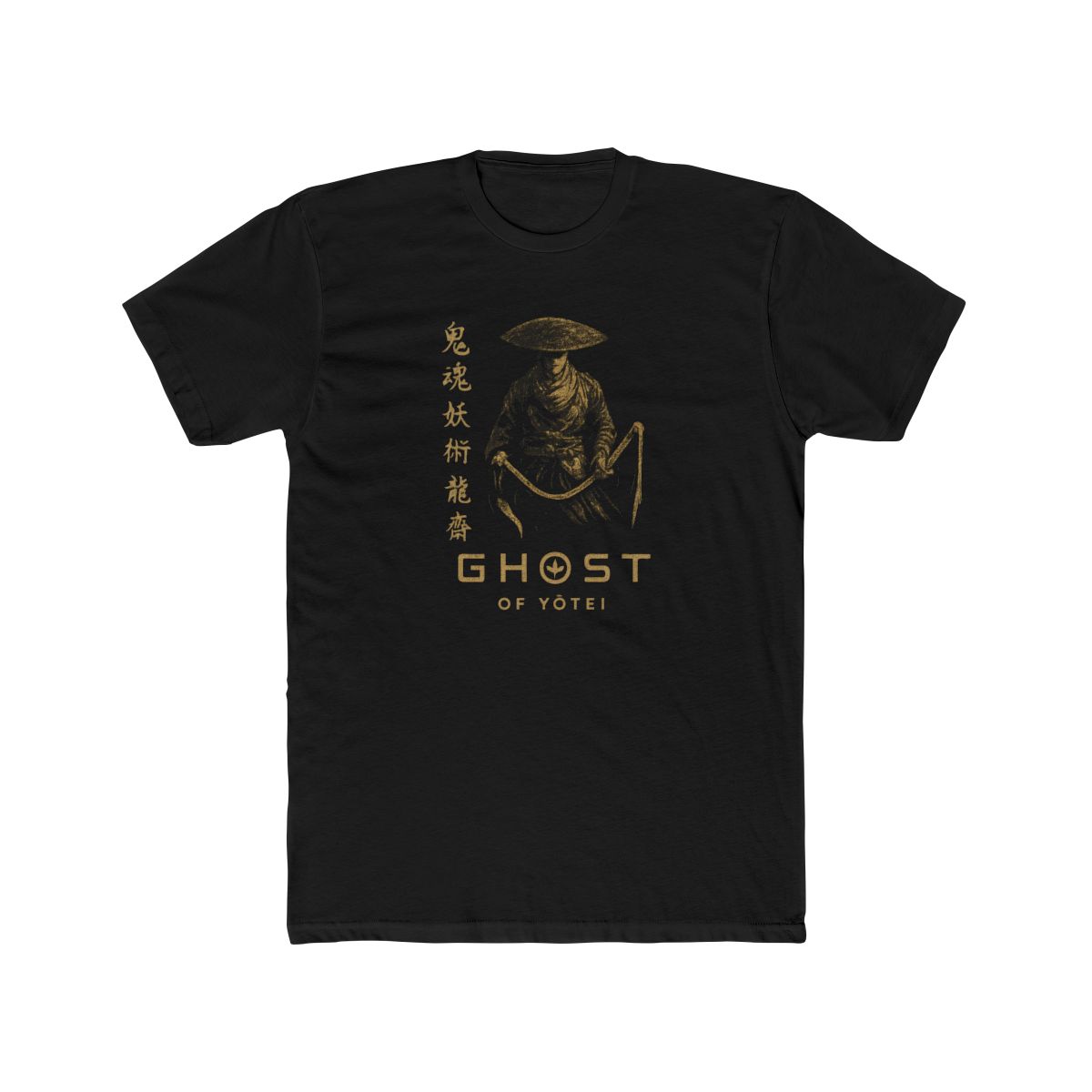
Samurai Heritage of Hokkaido's Wild North
Whispers of steel echo through Hokkaido's frost - laden forests, where samurai from Honshu ventured into the untamed frontier. Unlike the polished dojos of Kyoto or Edo, Hokkaido - known anciently as Ezo - drew rugged warriors of the Matsumae clan. These samurai adapted traditional katana and yoroi to brutal skirmishes against Ainu warriors, forging a legacy of endurance amid volcanic peaks and endless snowfields. Historical records detail their outposts along the Oshima Peninsula, blending Japanese feudal might with indigenous resilience.
Frontier life honed a distinct samurai ethos here - less ceremony, more survival. Ronin and ashigaru clashed in the 16th - century Ezo conflicts, wielding naginata against Ainu curved blades in battles over trade routes and bear shrines. Mount Yōtei loomed as a sentinel, its silhouette etched into tales of ghostly apparitions guiding lost fighters through blizzards. This raw heritage shapes perceptions of Hokkaido samurai as spectral guardians of the wild, far from mainland refinement.
Archaeological finds, like rusted tsuba guards unearthed near Shakotan Peninsula, reveal customized gear for icy terrains - reinforced sode pauldrons and lacquered kabuto helmets etched with crane motifs symbolizing longevity. These artifacts ground the mystique, proving samurai presence amid Ainu dominance until the Meiji era's consolidation.